
ISSAQUAH, WA — A tornado warning on Thanksgiving Day startled residents in Issaquah, North Bend, Snoqualmie and Fall City, a reminder that western Washington can still see dangerous tornado weather. The warning came as the state’s past includes one of its deadliest twisters and a record-setting tornado year.
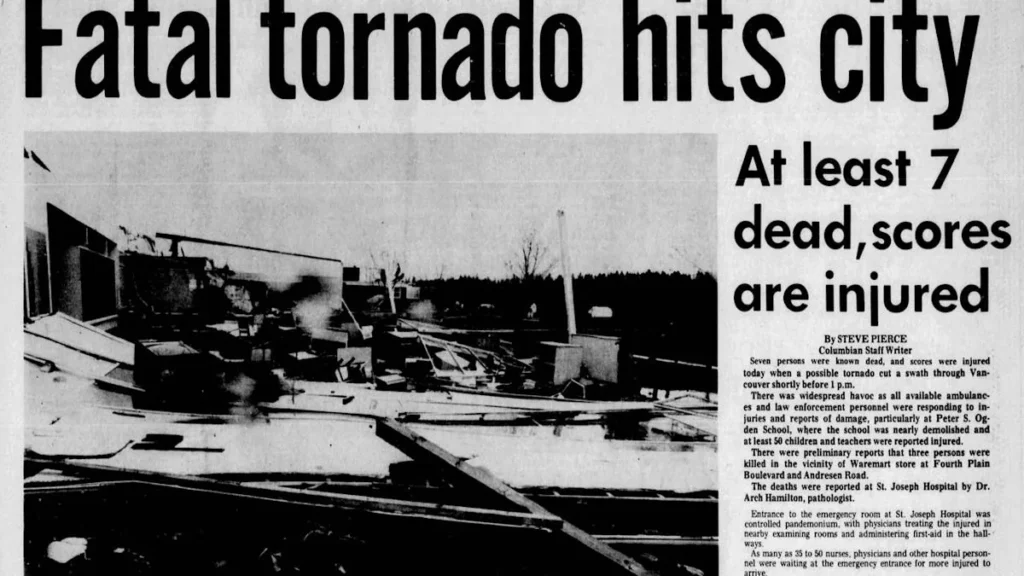
The alert passed quickly, but it pointed back to a history that includes an F3 tornado in Vancouver that killed six people and injured about 300 more. Washington’s tornadoes are uncommon, yet the state has seen enough severe events to make preparedness worth remembering.
The setup
The National Weather Service issued the warning for parts of the Eastside after imminent threat alerts went out Thursday. Those alerts reached residents in Issaquah, North Bend, Snoqualmie and Fall City, underscoring that even in a region better known for rain, tornadoes can briefly become a concern.
Washington’s history shows that rare does not mean impossible. According to the National Weather Service, the state’s deadliest tornado struck Vancouver on April 5, 1972, and left a wide path of damage through homes and public buildings.
That storm tore through a discount store, a bowling alley and an elementary school while classes were in session. The weather service said about 50 homes were destroyed or badly damaged, and total property loss in the Vancouver area was estimated at close to $6 million at the time.
Timing and areas
The Thanksgiving warning was centered on Eastside communities, including Issaquah, North Bend, Snoqualmie and Fall City. It served as a short-lived but sharp reminder that tornado alerts can reach western Washington without much warning when conditions become favorable.
Looking back, the state’s most active tornado year on record was 1997, when Washington logged 14 tornadoes, according to historical weather data. Six of those touched down on May 31 alone, with reports stretching from Tacoma and Vancouver to Eastern Washington.
What to expect
For most Washington residents, tornadoes remain uncommon. But the Vancouver disaster and the 1997 outbreak show why people should take warnings seriously when they are issued, even in areas that do not often think of tornadoes as a local threat.
None of the 1997 tornadoes reached above F1 strength on the Fujita scale, but the outbreak still stood out because of its number. The state’s tornado record is a reminder that even weaker storms can still damage property, disrupt routines and create danger for people who are caught outside.
Thursday’s warning did not signal a repeat of those historic events, but it did reinforce the need to react quickly to alerts from the National Weather Service. In severe weather, a short warning window is often the difference between being prepared and being caught off guard.
How to stay ready
- Travel: If a warning is issued while you are driving, get to a sturdy shelter as soon as it is safe to do so.
- Alerts: Keep weather notifications turned on so National Weather Service warnings reach you quickly.
- Supplies: Keep shoes, a flashlight and a charged phone nearby in case you need to move to shelter fast.
- Check on: Make sure children, older adults and neighbors know where to go if severe weather develops.
- Power: Be ready for brief outages or service interruptions if storms bring down trees or lines.
The bottom line
Washington does not see tornadoes often, but the state’s history shows they can be dangerous when they do occur. The Thanksgiving warning on the Eastside was a timely reminder to treat every tornado alert with urgency.
Residents should continue to follow National Weather Service updates and local forecast guidance, especially when severe weather is possible. Even rare tornado events can become serious very quickly, so staying alert matters.
Always follow official National Weather Service alerts and local emergency guidance.