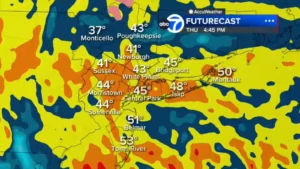
WASHINGTON, DC — Strong wind, rain, snow and coastal flooding are causing Thanksgiving travel problems across much of the country, with the National Weather Service warning of difficult conditions in several regions. The storm is affecting airports, highways and coastal communities while also postponing Macy’s Thanksgiving Day Parade until Saturday.
The weather is expected to continue disrupting travel into Friday morning, with the heaviest impacts centered on the East Coast, parts of the Midwest and sections of the West Coast. Officials say residents should expect changing conditions, especially where wind, flooding or winter weather can quickly make roads and flight operations less reliable.
The setup
The National Weather Service said the storm would hamper air travel at eastern U.S. airports from Thanksgiving Day into Friday morning. Forecast concerns include reduced visibility, stronger turbulence, high winds and aircraft icing, all of which can slow departures and arrivals.
Wind advisories were posted from northern Georgia through much of the mid-Atlantic and into southern New England. Along the Interstate 95 corridor, gusts were expected to reach 50 mph or higher, enough to make travel difficult and bring down loose tree limbs or cause isolated power problems.
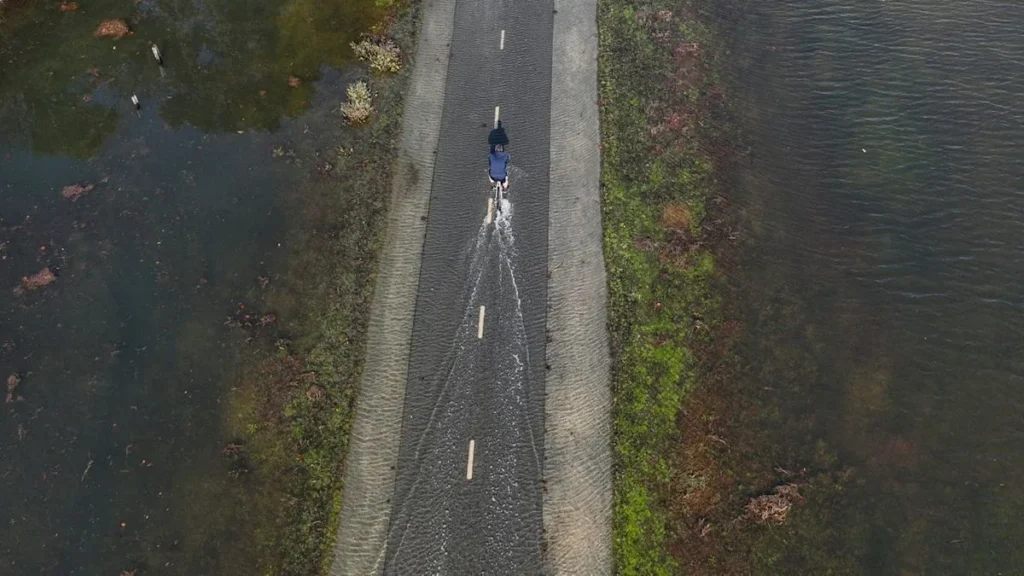
On the West Coast, king tides were adding to coastal flood concerns from Southern California to the San Francisco area and north to Oregon and Washington. The higher water levels are being made worse by the ongoing super El Niño pattern, according to the weather service.
Timing and areas
The storm was forecast to affect a wide area through Thanksgiving Day and into Friday, with the most immediate impact on air travel in the East and holiday road travel in places under wind and winter alerts. People moving through busy airports and major highway corridors were being urged to expect delays.
Winter storm warnings and watches were also in place for parts of Missouri and Illinois. The weather service said up to 13 inches of snow was expected around St. Louis by Thursday afternoon, creating the potential for slippery roads and slower holiday driving in that part of the Midwest.
What to expect
In the East, strong winds and wet weather may create a rough travel day for both drivers and passengers. Reduced visibility and gusty conditions can make takeoffs and landings less predictable, while rain and flooding may slow traffic on roads that are already busy for the holiday.
In snow-covered areas, travel problems may be more serious. Heavy snowfall can reduce traction, lengthen braking distances and quickly cover roads, especially where conditions change from rain to snow over a short distance.
Along the California coast, a large wave damaged part of the pier in Pacifica on Wednesday, and officials in Marin County issued an evacuation warning for beachfront properties in Stinson Beach. County officials said large waves through the afternoon could send water and debris into roads and homes.
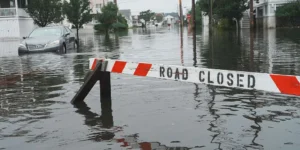
Coastal flood warnings were also posted for sections of the Pacific Coast, where king tides can push water higher than usual. In communities close to the shoreline, the main concern is not just flooding but also strong surf, spray and debris washing over low-lying areas.
How to stay ready
- Travel: Check airline updates, road conditions and local weather forecasts before leaving, especially if you are flying through the East or driving through areas with wind or snow alerts.
- Driving: Slow down in rain, snow and high winds, and allow extra stopping distance if roads are slick or visibility drops.
- Power: Secure loose outdoor items and be prepared for scattered outages where gusts are strongest.
- Coast: Stay away from piers, jetties and flooded shoreline areas where large waves and high tides can overtop barriers or wash debris inland.
- Alerts: Keep an eye on National Weather Service advisories, wind warnings, winter storm watches and coastal flood warnings in your area.
The bottom line
Holiday travel is being complicated by a broad storm system that is affecting the East Coast, parts of the Midwest and sections of the West Coast at the same time. Wind, snow, heavy rain and coastal flooding are the main concerns, with some of the worst conditions expected to last into Friday.
The National Weather Service and local officials will continue updating alerts as conditions change. Travelers should check forecasts again before heading out, especially if they are flying, driving long distances or spending time near the coast.
Always follow official National Weather Service alerts and local emergency guidance.