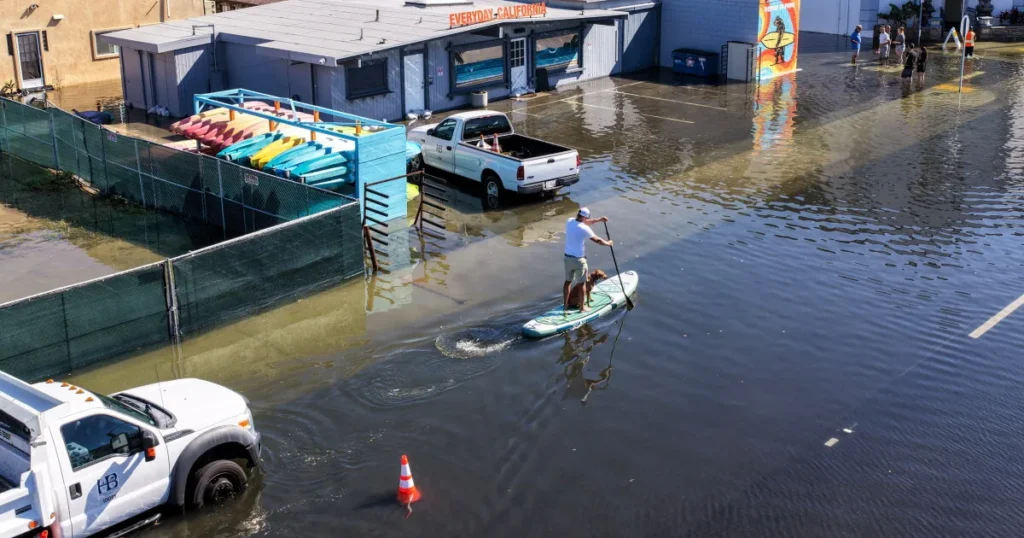

LOS ANGELES, CA — Unusually warm ocean water is keeping coastal flooding concerns elevated along much of California, with scientists saying the marine heat wave stretches from Sonoma County to Ensenada, Mexico. The warmth is also likely to linger into the holiday period, when king tides can worsen already high water levels.
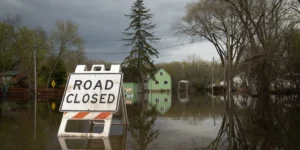
Researchers say the pattern matters because warmer seawater expands and can make nuisance flooding more likely during the highest tides. Any significant rain that arrives during the same period could add to the flooding risk along low-lying shorelines.
The setup
University of California climate scientist Daniel Swain said the current marine heat wave is far outside the ordinary for this time of year. He described the warmth as “mind-boggling” and “record-shattering,” noting that ocean temperatures along the affected stretch are running about 10 degrees warmer than average.
Swain said the readings are higher than any other cold-season ocean temperatures recorded in many locations. In his webinar Thursday, he said the water is not only warmer than it has been at this time of year, but warmer than it has been at any point after Nov. 1 and before May in previous years.
That matters because marine heat waves can take longer to build and tend to last longer than short-lived temperature swings in the air. Water changes temperature more slowly than air, and ocean currents generally shift heat more slowly than wind can move air masses.
Timing and areas
The concern centers on the California coastline, especially the long stretch from Sonoma County through Southern California and down to the border with Mexico. Scientists are paying close attention to Thanksgiving week, when king tides are expected to be a key test for already elevated water levels.
Additional king tides are also expected around Christmas and again in late January. Those periods could bring the highest flood threat to beaches, harbors and other low-lying coastal areas, particularly if rainstorms move in at the same time.
What to expect
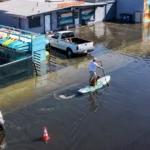
Warm water alone does not mean widespread damage, but it can push tides higher and make coastal flooding more likely in places that already see routine high-tide issues. Long Beach and parts of Orange County have already dealt with high-tide flooding in recent months, and similar trouble could continue if the pattern holds.
Scientists are also watching the broader El Niño setup, which can favor wetter weather for California. If stronger rainstorms arrive during a king-tide cycle, drainage problems and localized flooding could become worse than they would be on their own.
Because the marine heat wave is unusually persistent, the coastal flood risk may not fade quickly. The warm ocean water is expected to remain part of the weather picture well beyond a single tide cycle, keeping attention on repeated high-tide periods through the winter.
How to stay ready
- Travel: Watch for minor flooding near beach roads, parking areas and low-lying coastal routes during the highest tides.
- Alerts: Follow National Weather Service forecasts and local coastal advisories, especially around Thanksgiving, Christmas and late January.
- Power: Keep phones charged and be ready for possible disruptions if flooding affects access roads or nearby infrastructure.
- Supplies: Have flashlights, batteries and basic household supplies ready in case coastal water affects travel or access.
- Check on: Look in on neighbors, older adults and pets in areas that are prone to tidal flooding.
The bottom line
California’s unusually warm coastal waters are helping keep the threat of high-tide flooding in place, and the risk could stretch through several tide cycles this winter. The biggest watch points are the king tides expected around Thanksgiving, Christmas and late January.
Forecasts and coastal advisories should be checked regularly as those periods draw closer, especially if rain begins to overlap with the highest tides. That combination would make localized flooding more likely along low-lying parts of the coast.
Always follow official National Weather Service alerts and local emergency guidance.