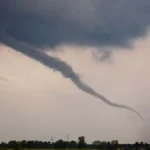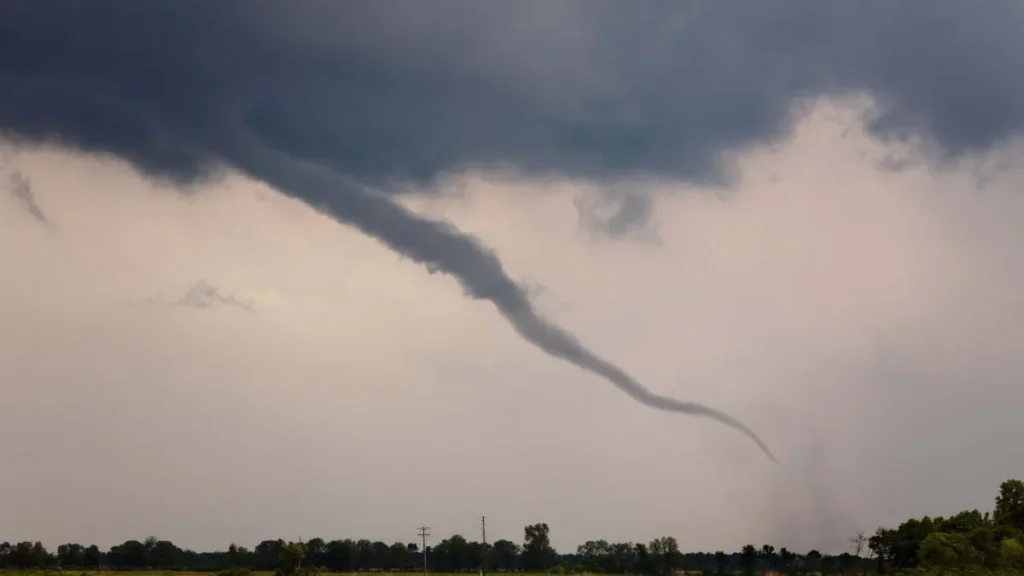
MIAMI, FL — A tornado warning means a tornado has been spotted or picked up by radar, and the National Weather Service says danger to life and property may be immediate. South Florida and other parts of the country can face these storms when severe weather develops.
The alert can come with little time to spare, so knowing the difference between a watch, warning and emergency matters. The most important step is to move to shelter right away if a warning or emergency is issued for your area.
The setup
The National Weather Service uses different alerts to show how serious the tornado threat is and how quickly people should act. A tornado watch means conditions are favorable and twisters are possible, often across a broad area that can include several counties or even multiple states.
A tornado warning is narrower and more urgent. It means a tornado has either been reported or detected by radar, and people in the warned area should take cover immediately.
The most serious alert is a tornado emergency. That warning is used when a violent tornado has touched down and catastrophic damage has been confirmed, signaling an extreme threat to human life and property.
Timing and areas
Tornado warnings can be issued with very little notice, which is why forecasters urge people to act as soon as an alert is sent. Watches may cover a wide region, while warnings usually focus on a smaller area such as a city or county.
Because severe storms can develop quickly, residents should keep local forecasts and warning alerts on through the entire storm period. The key is to be ready before the weather worsens, not after it has already reached the neighborhood.
What to expect
If you are indoors during a tornado warning or emergency, the safest move is to go to an interior room on the lowest floor of a sturdy building, such as a basement if one is available. Stay away from windows and avoid large open rooms like cafeterias, gymnasiums and auditoriums.
If you are outside, in a vehicle or in a mobile home, the National Weather Service says to get to the closest substantial shelter as fast as possible. Sheds, storage buildings, tents and mobile homes are not safe places to wait out a tornado.
When a car is your only option, the safest move is to drive to shelter if there is time. If there is not, you may need to get low and protect your head, or leave the vehicle and move to a low-lying area such as a ditch or ravine if no better shelter is available.
Flying debris is one of the biggest dangers during a tornado, along with roof damage, broken glass and power outages. Even a brief warning can bring destructive winds, so people should assume conditions may change in seconds.
How to stay ready
- Travel: Head for the nearest sturdy shelter right away if a warning is issued and you are away from home.
- Power: Expect the chance of outages and keep flashlights, batteries and charged devices ready.
- Supplies: Keep shoes, a helmet if available, a phone charger and basic first aid items near your safe room.
- Alerts: Monitor National Weather Service warnings and local weather updates through radio, phone or TV.
- Check on: Let family, friends and neighbors know if they are in the warned area, and take pets with you if time allows.
The bottom line
The National Weather Service message is simple: when a tornado warning or emergency is issued, move to shelter immediately and do not wait to see the storm first. The difference between a watch and a warning can be the difference between getting ready and taking cover.
Stay tuned to local weather alerts for the latest updates, and keep an eye on any watches or warnings that may be issued as storms develop. Quick action is the best protection when tornado conditions turn dangerous.
Always follow official National Weather Service alerts and local emergency guidance.