
By Shriya Krishnam
SAN JOSE, CALIF.—The time a student’s first class begins can shape their entire day, with some preferring early periods and others benefiting from a later start.
The time of a student’s first class begins can shape their entire day, with some preferring early period or the late. The time of your first class of the day can change how your day functions. Some students do better with the first period, while others like starting later and having an easier morning. Freshman are given a random period to start their day, while sophomores, juniors, and seniors are allowed to choose themselves. Either way, students take notice of how the timing of classes affects many things. This article will examine the advantages and disadvantages of both.
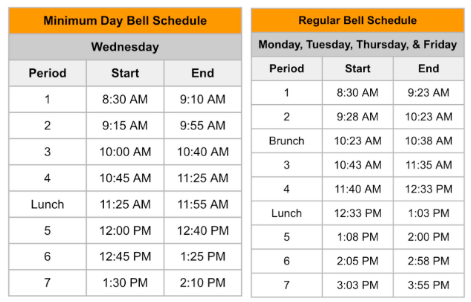
A Freshman student with first period says,” Having first period gives me an easier schedule for extracurricular activities later in the day.” Since the first period ends at 2:58 p.m. on a regular day, students have extra time for activities and clubs throughout the afternoon. Other additional advantages is that they may arrive home earlier, leaving more time for finishing homework, part-time jobs, and time with family or friends.
However, a disadvantage shown is that students get less sleep after having long nights of studying or doing homework. Athletes and club members may also have to stay back at school for an extra hour before their activities begin, which can be exhausting.
A Freshman student with a second period says,” I like second period because I can go straight from seventh period to my sport after school.” One advantage is that students don’t have to wait for their activities to start. Mornings are also less rushed meaning they have an easier morning, giving students time to get ready and eat a healthy breakfast. This calmer start can reduce stress and improve focus in class. A disadvantage is that the late schedule ends at 3:55 p.m. causing less time after school.
Overall, both schedules come with clear benefits and imperfections. Whether students prefer the early morning start or a later one depends on their lifestyle, priorities and responsibilities.
 Raider Review