
By: Jake Ha
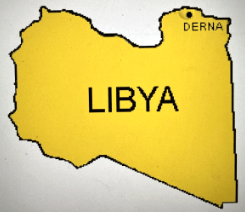
SAN JOSE, CALIF.— Destructive floods on Sept. 11 struck Libya, with the most destruction in Derna city, leading to political unrest from the many deaths and many more displaced.
Due to constant rain from Mediterranean Storm Daniel, two Libyan dams were overwhelmed, causing an unstoppable wave that destroyed parts of Derna city. As of the most recent estimates by the UN humanitarian affairs coordination office on Sept. 21, of the population of about 150,000, about 4,000 are dead, 10,000 more are missing, and 43,000 have been displaced.
Across the rest of the Libyan coast, flash flooding has caused insurmountable damage to coastal cities. Margaret Harris, the spokesperson for the UN World Health Organization(WHO), estimates that 1.8 million people across Libya have been affected by the downpour.
The catastrophic damage, especially compared to flooding in other Mediterranean countries, is mostly attributed to poor maintenance of both dams and fragile infrastructure of buildings. Both were influenced by political instability and infighting in the country.
Historically, the area was prone to floods, yet a lack of proper flood warnings and ignorance to the existing ones continued. Along with worsening storms due to the climate crisis, the disaster was only amplified.
Aid has been issued by various local, national, and international organizations. UN organizations like the World Food Programme, WHO, and the Central Emergency Response Fund have given rations, medical supplies, and monetary aid to relieve the situation. Other Libyan individuals have given similar emergency aid.
The competing governments in Libya make some relief difficult to organize, especially as some residents protest the governments for doing little to prevent or respond to the floods. The Eastern-based Libyan government was blamed for purposely cutting communications and turning away aid groups to maintain power in the city.
Protesters also claim that it arrested three other protestors, although two were released. Four days later, according to the Libyan attorney general’s office in the opposing Western-based government, eight officials, including Derna’s mayor, have been arrested for mismanagement of the collapsed dams.
Threats of natural disasters are also relevant much closer to home. In a survey of 22 Silver Creek students, 14 said that they felt safe from natural disasters. Of the eight that felt unsafe, they most commonly cited the threat of earthquakes as the reason. Although major catastrophes like the one seen in Libya are unlikely, small and still deadly ones can occur here in San Jose.
According to RiskFactor, a risk assessment tool, about 38% of houses in San Jose are vulnerable to flooding. The risk of a major flooding event, such as a hurricane, is a 26% chance over the next 30 years. Such an event could cause significant damage if precautions are not reinforced.
San Jose ranks high in risk of other natural disasters, like wildfires, drought, and earthquakes. About 46% of homes are susceptible to wildfires, while the number of scorching days over 94 degrees Fahrenheit are expected to double in the next 30 years. Many buildings in San Jose are made to withstand earthquakes, but older wooden residences and especially tall buildings are susceptible, according to the California Earthquake Authority and the Association of Bay Area Governments.
With the devastating flooding in Libya, natural disasters continue to be an ever-looming threat which can have deadly consequences if not prepared for.
 Raider Review